How Personal Storage Helps You Reclaim the Garage | Sunset Storage Centers
Growing families in south Utah County can reclaim the garage with a drive-up unit. Start with a 10x10, load over a weekend, and park the cars inside again.
Quick Summary Growing families in south Utah County often lose garage stalls to holiday bins, sports bags, and kids’ overflow. Move those rarely used household items into a drive-up unit so the daily drivers can park inside again. A 10x10 is a common starting size; keep weekly-use gear at home, load over a weekend with gate access from 6:00 AM to 10:00 PM, and rent month to month so you can scale down when a season ends.
How Personal Storage Helps You Reclaim the Garage So the Cars Fit Again
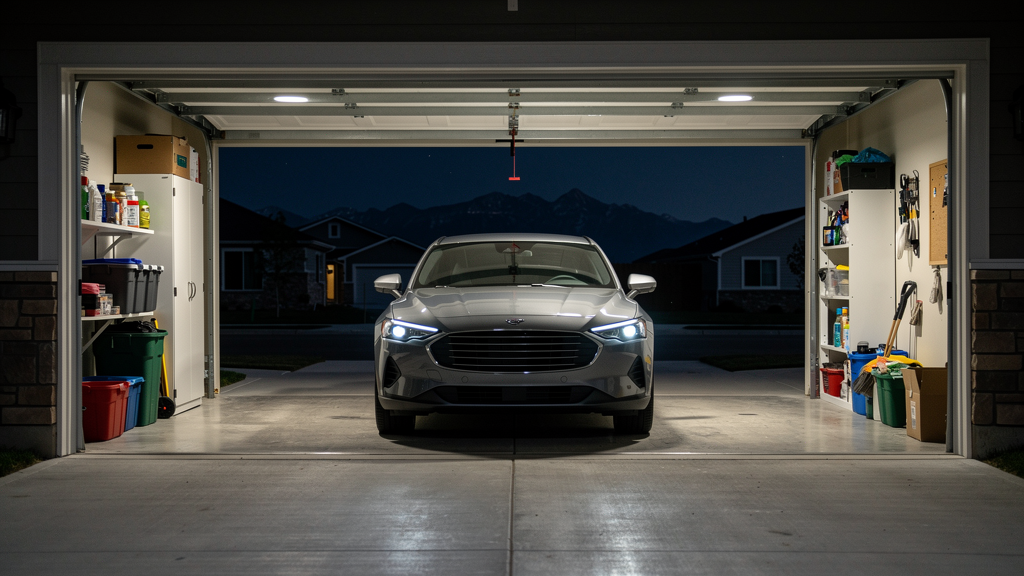
If the cars no longer fit, personal storage moves seasonal bins, sports bags, and rarely used household items out of the stalls so the garage can park the daily drivers again. Growing families across south Utah County know the scene: totes along the wall, sports bags in the corners, and a minivan or truck stuck on the driveway. Sort what can leave, match the pile to a drive-up size, and use a weekend at a roll-up door to get at least one stall back.
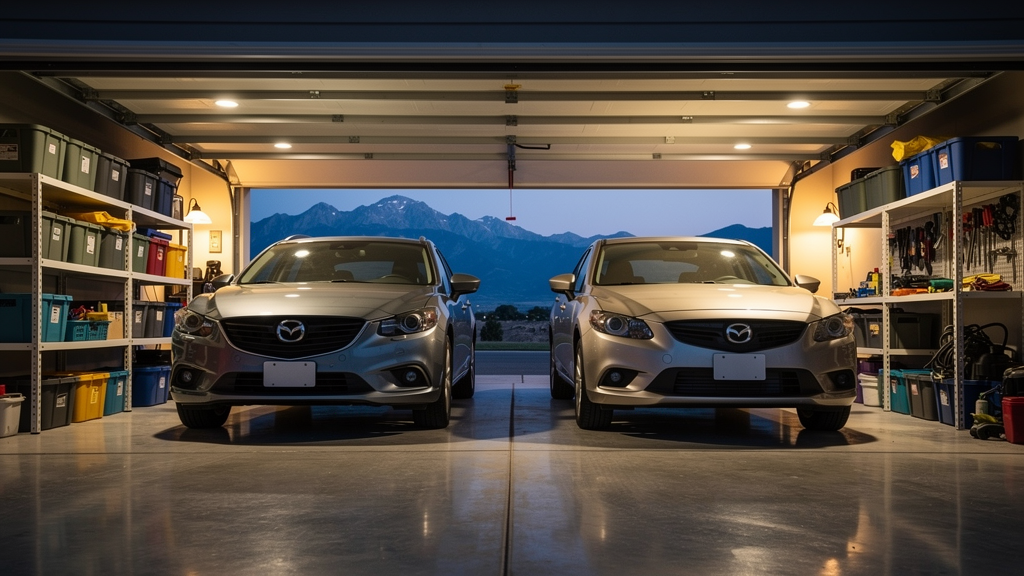
Why Growing Families Lose the Garage to Stuff
The scene is easy to recognize on a weeknight in Payson or Spanish Fork. Totes sit two high along the wall, sports bags claim the corners, and outgrown toys occupy the stall that used to hold a car. The minivan or truck stays on the driveway because there is no path to pull in.
Working parents with kids at home often outgrow the house without packing up and leaving. Clothes, holiday bins, and recreation gear need somewhere wide and dry, and the garage has a big door and a concrete floor. That makes it the first room to absorb overflow.
Households in Santaquin, Mapleton, Springville, Salem, and Elk Ridge run into the same squeeze when a second child, a new sport, or a few years of seasonal buying fill the floor. The pile-up is ordinary household growth. A family that parked two cars a few years ago can lose both stalls to items that only get used a few times a year.
Seasonal and kid-driven overflow
Utah County seasons shuffle the same square footage all year. Winter coats, sleds, and ski bags come in with the first storm and often stay long after the thaw. Camping, lake, and trail gear take their place in late spring, then holiday decor arrives in November and lingers in open boxes.
Kids speed every cycle:
- Clothes and toys they outgrew last year still occupy bins someone meant to sort
- Soccer bags give way to basketball, then baseball or softball
- Extra car seats, a stroller kept for a younger sibling, and school projects you are not ready to toss all compete for the same floor
- Coolers, camp chairs, bike accessories, and inflatable toys sit naturally in a garage and awkwardly in a bedroom
Outdoor recreation adds bulk that a closet cannot hold. Left there through the off-season, that gear steals the stall.
What you give up when cars live on the driveway
Driveway parking adds friction to every school morning and grocery run. Frost and snow have to be cleared before the kids are buckled. Groceries and backpacks get unloaded in the weather, and the garage no longer buffers the house from the street.
Lost stall space also changes how the house works. Bikes, trash bins, and leftover cardboard migrate onto the driveway because the interior is already packed. Evenings get shorter when every return home starts with a shuffle.
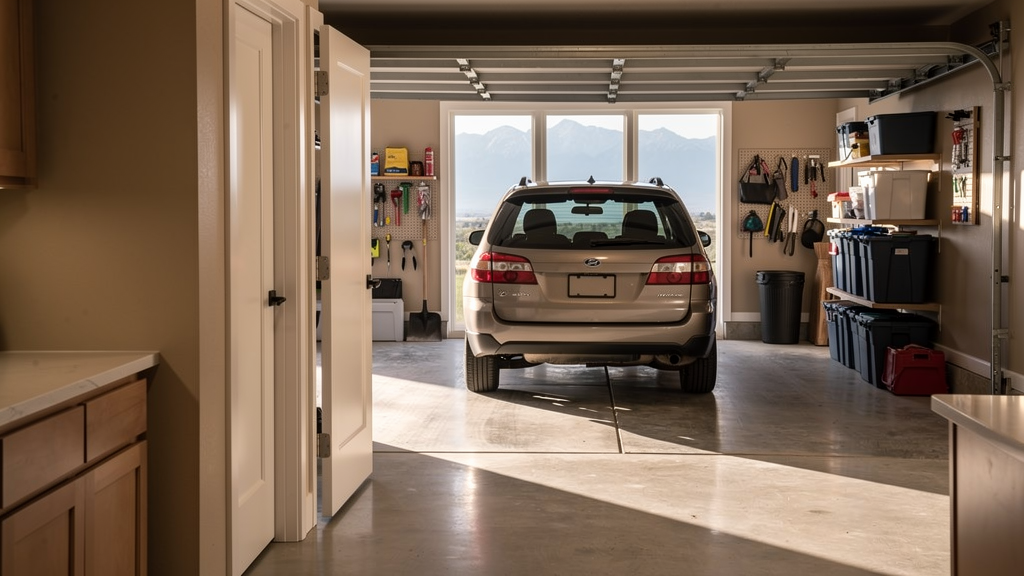
How Personal Storage Clears Space for the Cars
Personal storage is the decluttering move that returns the garage to parking. Daily-use items stay at home, and bulky, rarely needed overflow goes into drive-up storage units so the stalls open up. Families who need more household storage can move the extras off-site, reach them when the season actually starts, and still stay in the house they have.
Items that belong in a unit, not the garage
Start with what you use a few times a year, not every week:
- Off-season holiday decor, extra wrapping supplies, and the bins that only come down in November
- Camping tubs, coolers, and outdoor recreation gear that sit idle between trips
- Sports equipment for the season you are not in, such as ski bags in July, baseball gear in January, and pool toys after Labor Day
- Extra furniture, guest bedding you pull out twice a year, and keepsakes you are not ready to donate
- Spare folding chairs, a second string of holiday lights, boxes of clothes the kids will not fit for another year, and hobby supplies you touch twice a summer
- A spare dresser, a crib you might need again, or dining chairs that do not fit the current house
If you have not needed an item since last season, it is a candidate for the unit. Furniture storage of that kind is a common garage-clearing load, because one dresser or crib can steal a full stall even when totes could have been stacked.
What should stay at home for daily use
Keep anything you reach for without planning a storage trip:
- Weekly tools, this season’s sports bag, and in-rotation kid gear
- The step stool or shop vacuum you use on weekends
- Trash bins, recycling, bikes you ride this month, and the stroller you still use every day
- Fragile pieces, highly temperature-sensitive household items, and anything you already know does poorly in heat or cold
If a Tuesday-night errand for that item would feel silly, leave it home. Use ordinary household judgment on the rest.
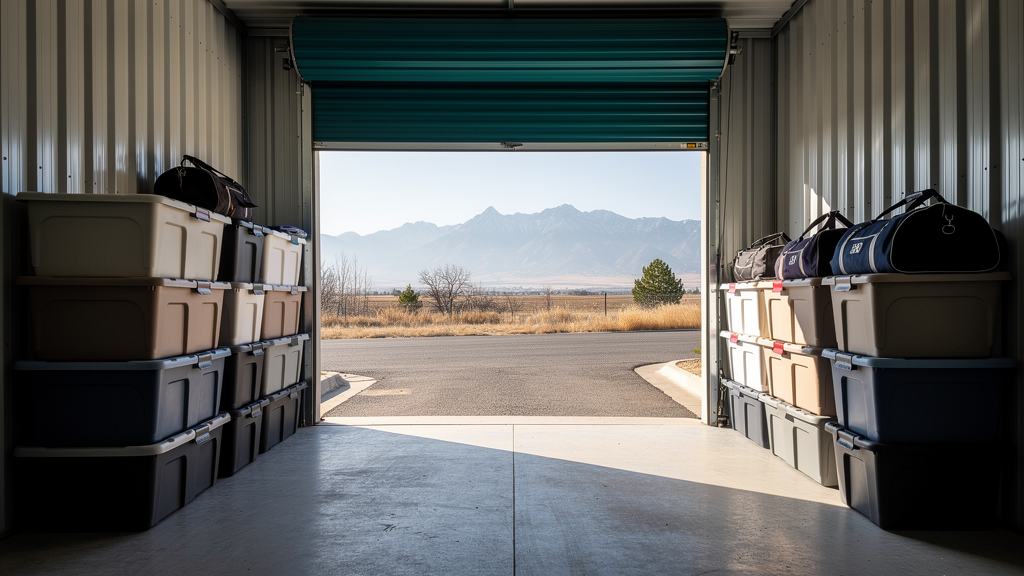
Choosing a Drive-Up Unit Size for Garage Overflow
Match the volume in the stalls to a drive-up size. Garage overflow is usually a stack of totes, some furniture, and seasonal gear, rather than an entire kitchen.
Sunset Storage Centers rents standard drive-up storage units at one Payson location. Walk the garage, count the bulky pieces, then pick from the sizes actually offered. You do not need cubic-foot math; a count of totes, plus the furniture that cannot stay, is enough.
Why a 10x10 is a common starting point
A 10x10 storage unit is the typical starting point for a growing family clearing garage overflow. It can hold stacked totes, off-season sports gear, holiday bins, and a few pieces of extra furniture without jumping to a very large unit.
All units at the Payson facility are standard drive-up. You pull up to the door, unload, and roll the door down. For many households, that 10x10 footprint is the first size that can take what currently blocks both stalls.
If overflow is a modest seasonal set, you may want a smaller unit. If the garage is packed wall to wall, you may want more floor. Picture the 10x10 first, then step among the sizes below.
Stepping up or down among available sizes
Storage unit sizes at the Payson facility are 5x10, 8x10, 10x10, 8x13, 10x13, 10x15, 8x20, 15x13, 10x20, 10x25, 13x25, 12x30, 13x30, and 13x40.
| Overflow you are clearing | Sizes to consider |
|---|---|
| Modest seasonal set: holiday decor, a few sports bags, and a short run of totes | 5x10 or 8x10 |
| Stacked totes, off-season sports gear, holiday bins, and a few extra furniture pieces | 10x10 |
| Bins plus furniture that needs extra depth | 8x13, 10x13, or 10x15 |
| A packed two-car garage, or bulky pieces from a spare bedroom | 8x20, 10x20, or 10x25 |
| Overflow well beyond garage clutter | 13x25, 12x30, 13x30, or 13x40 |
A 15x13 is also among the mid-to-large footprints. Month-to-month rental means you can step down after a season if the kids drop a sport or you donate a round of boxes.
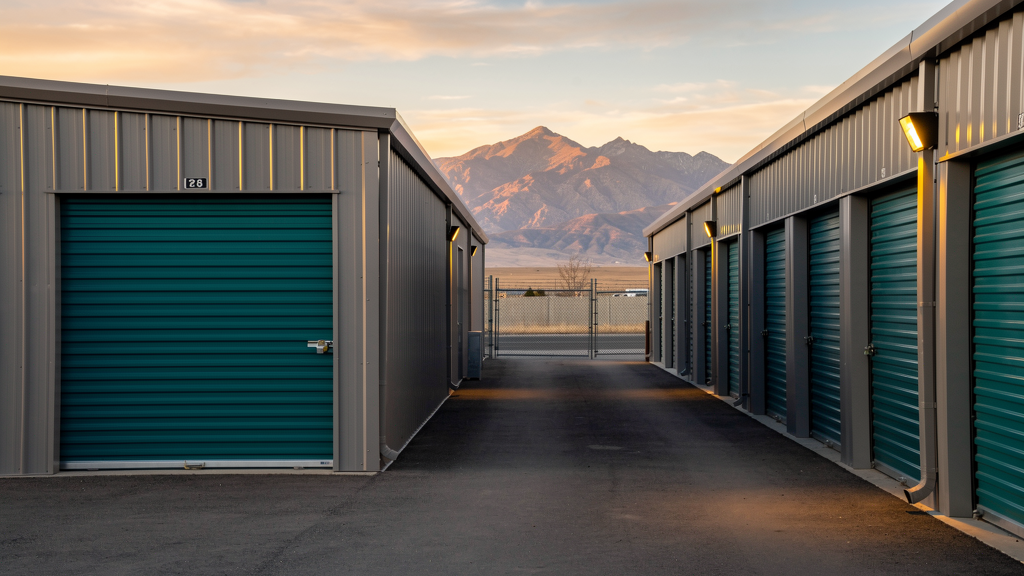
Using Drive-Up Access for a Weekend Garage Cleanout
A weekend is enough to move garage overflow when you can load at the unit door. Drive-up access means you back a truck or SUV to the door, carry totes a few steps, and stack them inside.
Sunset Storage Centers is at 857 N 500 E, Payson, UT 84651. Gate access runs from 6:00 AM to 10:00 PM every day with a personal gate code, and aisles are lit. That window covers an early Saturday start and a Sunday evening finish. Rentals and account questions are handled online or by phone.
- Reserve a unit before the weekend if you can, then use your gate code when you arrive with the first load.
- Sort in the driveway at home first. Keep a storage pile and a stays-home pile so you are not deciding at the unit door.
- Label totes as you pack so the next seasonal swap is a short visit.
- Back up to the roll-up door and carry items a few steps inside.
- Bring a helper if the load includes furniture. Two people make dressers, folding tables, and awkward sports gear faster to stack.
- Leave a center walkway so you can reach the back of the unit in December without unloading July.
- Plan the last load before 10:00 PM.
One focused Saturday often frees enough stall space that at least one daily driver can park inside that night.
Packing Household Items for a Standard Drive-Up Unit
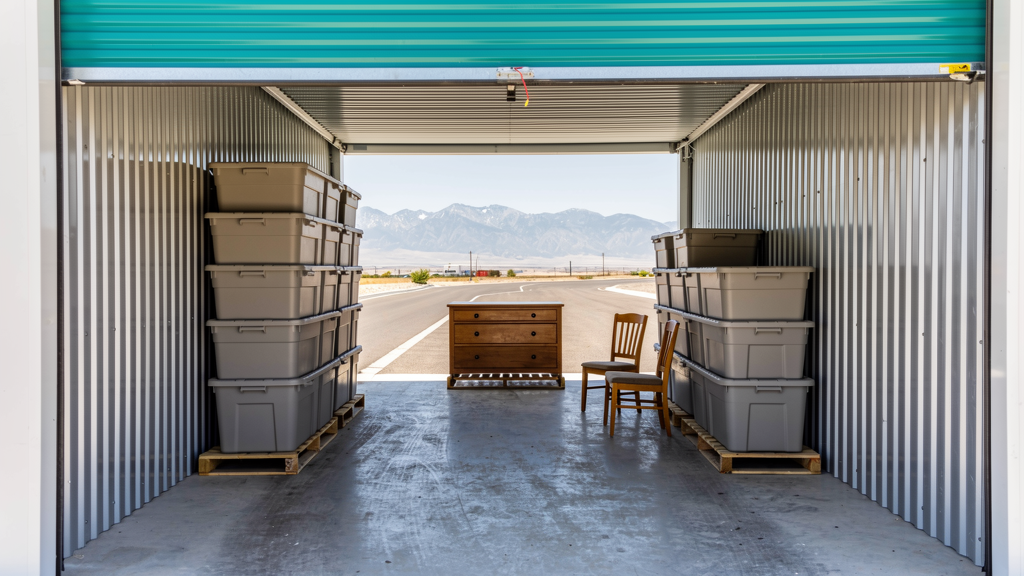
Pack garage contents for a standard drive-up unit so you can find things again when the season changes.
- Use sturdy totes instead of broken cardboard for sports gear, decor, and clothes.
- Put labels on two sides so you are not opening every lid for the Halloween bin.
- Leave a walkway down the middle.
- Stack heavier totes on the bottom and keep items you will want mid-season toward the front.
- If you have pallets or scrap wood, set furniture off the floor and put blankets between pieces so they do not rub.
- Keep highly temperature-sensitive household items at home, including photographs you care about, candles that can melt, and anything you already know does poorly in heat or cold.
- Do not fill a tote until it is too heavy to lift from a tailgate.
- Fill gaps with soft goods so items do not shift.
- Take a phone photo of the stacked unit before you close the door so you remember what lives where.
Month-to-month storage fits this kind of packing. You can pull winter gear in October, return it in March, and adjust the stack as kids outgrow a sport.
When an Extra Vehicle Still Needs a Place
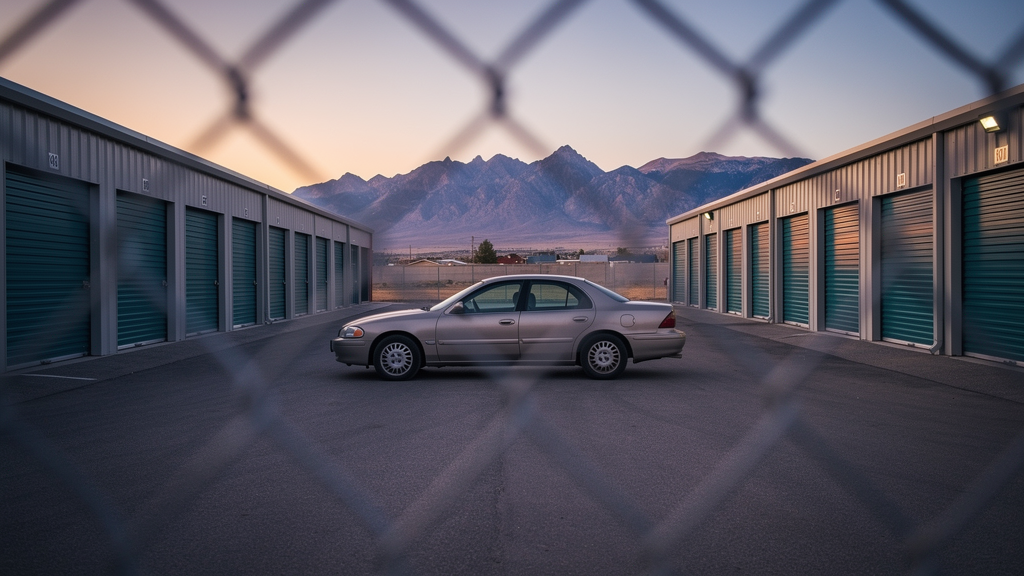
Emptying the garage sometimes still leaves a spare car, project car, or extra daily driver without a stall. Car storage and vehicle storage are offered at the same Payson location, month to month.
Many families only need a unit for household overflow, then park both cars at home. If a third vehicle still has no place after the cleanout, ask about vehicle storage when you reserve or when you call (385) 433-3891.
The same gate hours apply: 6:00 AM to 10:00 PM daily with a personal gate code. Keep household items in a drive-up unit and treat vehicle storage as a separate question. One Payson location can handle both on a month-to-month rental.
Reclaim the Garage This Month
Personal storage is how growing families get the cars back in the garage. Move the seasonal bins, extra furniture, and rarely used household overflow into a drive-up unit. Leave daily gear at home, and give the stalls back to the vehicles you actually drive.
Sunset Storage Centers is family-owned since 2023, with one location at 857 N 500 E, Payson, serving south Utah County. Rentals are month to month, so you can scale down when a season ends or the kids outgrow a pile of gear. The site is fenced with a coded gate, aisles are lit, and video surveillance runs 24/7.
Reserve Now online, or call (385) 433-3891 to get a unit on the calendar. A weekend of loading at a drive-up door is often enough to bring the cars in from the driveway.
About the Author
Sunset Storage Centers is family-owned self storage in Payson, Utah, since 2023. The Payson facility offers 14 drive-up unit sizes, gate access from 6:00 AM to 10:00 PM daily, 24/7 video surveillance, and month-to-month leases.